Source Diesel Concrete Floor Saw for Road Cutting and Pavement
Compare 30 diesel concrete floor saw models with intermittent compulsory mixing and mobile designs. Evaluate specifications like 140mm cutting depth, CE certification, and gasoline or diesel engine options for efficient soil and cement concrete pavement applications; compare the available evidence and request quotations based on your requirements.
Key considerations
Products List


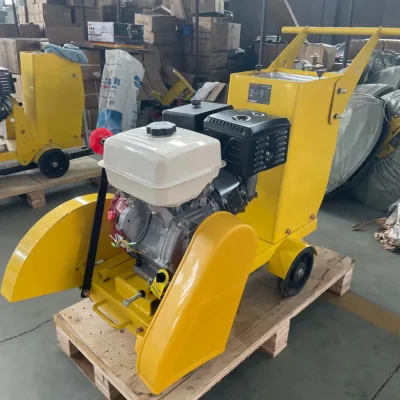
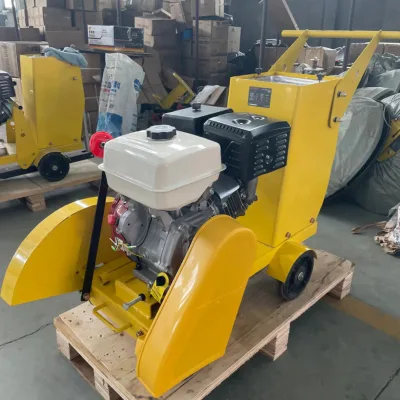


Comprehensive Sourcing Guide
Diesel Concrete Floor Saw Sourcing Guide
Procuring a diesel concrete floor saw requires careful evaluation of mechanical specifications, operational efficiency, and supplier reliability. These machines are essential for cutting joints, grooves, and openings in concrete pavements and floors. Buyers must prioritize equipment that balances power output with maneuverability to ensure consistent performance on diverse job sites. The selection process involves verifying technical parameters such as cutting depth, blade size, and engine type to match specific project demands.
This guide provides a structured approach to sourcing these industrial tools, focusing on critical decision points for procurement professionals. It covers product scope, technical verification, compliance requirements, cost analysis, supplier qualification, and long-term maintenance considerations. By adhering to these evidence-based criteria, buyers can mitigate risks associated with equipment failure, non-compliance, and poor after-sales support. The goal is to facilitate informed purchasing decisions that align with operational needs and budget constraints.
Product Scope and Observed Listing Signals
The market for diesel concrete floor saws includes various models designed for different cutting depths and blade configurations. Observed listings indicate a price range of $150 to $7,125 USD, reflecting significant variation in build quality, power, and features. Minimum order quantities typically range from 1 to 10 units, suggesting flexibility for both individual purchases and bulk procurement. Buyers should note that product capacity often falls below 40t/h, which is suitable for standard construction tasks but may require multiple units for large-scale projects.
Key attributes observed include intermittent compulsory mixing methods, though this is more relevant to mixers, while cutting machines focus on hydraulic processes and blade apertures. Common specifications include arbor sizes of 25.4mm and blade diameters ranging from 300mm to 600mm. Models like YFFS16 and ML-21 are noted, with cutting depths between 140mm and 170mm. Packaging varies from wooden cases to pallets, impacting shipping costs and protection. Buyers must distinguish between these variations to select the appropriate tool for their specific application.
Technical Specifications to Verify
Verifying technical specifications is crucial to ensure the saw meets operational requirements. Key parameters include the engine type, which is often gasoline or diesel, and power output, with some models offering 13HP. The starting system may be recoil or electric, affecting ease of use and reliability. Buyers should confirm the maximum cutting depth, which typically ranges from 140mm to 170mm, and the blade aperture size, commonly 25.4mm. These details determine the machine's capability to handle different concrete thicknesses and project scales.
Additional specifications to verify include the water tank capacity, often around 38L for dust suppression, and the moving type, which can be mobile or semi-fixed. The structure may be cylinder type, influencing stability and vibration control. Productivity rates, such as 240m³/h for related equipment, should be cross-referenced with cutting performance. Buyers must also check the automatic grade, which can be non-automatic, semi-automatic, or automatic, affecting operator workload. Ensuring these specifications align with project needs prevents costly mismatches and operational inefficiencies.
Compliance and Safety Documentation
Compliance with safety and environmental standards is non-negotiable for industrial equipment. Buyers must verify that the diesel concrete floor saw holds relevant certifications, such as CE and ISO9001, which indicate adherence to quality and safety management systems. These certifications are critical for market access and operational legality in many regions. Documentation should include user manuals, maintenance guides, and safety instructions that comply with local regulations. Buyers should request these documents before finalizing purchases to ensure full compliance.
Safety features, such as ergonomic designs and vibration control, are essential for operator well-being. The vibrating amplitude, observed at 0.8mm for some models, should be evaluated for comfort and health risks. Buyers must also consider the shotcrete type, if applicable, and the feeding height, which can impact workflow efficiency. Ensuring that the equipment meets these standards reduces liability and enhances workplace safety. Regular audits of supplier documentation can help maintain compliance and protect against regulatory penalties.
Cost Drivers and Commercial Terms
Cost drivers for diesel concrete floor saws include engine power, blade size, and build quality. Higher power outputs and larger blades generally command higher prices, reflecting increased durability and performance. Packaging methods, such as wooden cases or steel-framed cartons, also influence shipping costs and overall expenses. Buyers should analyze the total cost of ownership, including maintenance, spare parts, and fuel consumption, rather than focusing solely on the initial purchase price. This holistic approach ensures accurate budgeting and long-term value assessment.
Commercial terms, such as minimum order quantities and lead times, vary among suppliers. Observed MOQs range from 1 to 10 units, offering flexibility for small and large orders. Buyers should negotiate favorable terms, including warranty periods and after-sales support, to mitigate risks. Payment terms, delivery schedules, and return policies should be clearly defined in contracts. Understanding these commercial dynamics helps buyers secure better deals and establish reliable supply chains. Transparent communication with suppliers is key to aligning expectations and avoiding disputes.
Supplier Qualification and Quality Control
Supplier qualification is a critical step in ensuring the reliability of diesel concrete floor saws. Buyers should assess suppliers based on their production capacity, quality control processes, and customer feedback. Suppliers located in regions like Shandong and Liaocheng, China, are common sources, but buyers must verify their credentials and track records. Quality control measures, such as factory audits and product inspections, help identify potential issues before shipment. Buyers should request samples or visit facilities to evaluate manufacturing standards firsthand.
Building long-term relationships with qualified suppliers enhances procurement efficiency and product consistency. Buyers should prioritize suppliers who offer comprehensive support, including technical assistance and spare parts availability. Regular performance evaluations and feedback loops can drive continuous improvement. By focusing on supplier qualification and quality control, buyers can minimize risks and ensure a steady supply of high-quality equipment. This proactive approach fosters trust and reliability in the supply chain.
Long-Term Procurement Checks
Long-term procurement checks involve monitoring equipment performance and supplier reliability over time. Buyers should track maintenance costs, downtime, and operator feedback to assess the saw's durability and efficiency. Regular inspections and preventive maintenance schedules help extend the equipment's lifespan and reduce unexpected failures. Buyers should also stay updated on industry trends and technological advancements to ensure their equipment remains competitive. This ongoing evaluation supports informed decision-making and continuous improvement.
Supplier performance reviews should be conducted periodically to ensure consistent quality and service. Buyers should compare current offerings with market benchmarks to identify opportunities for cost savings or upgrades. Building a robust supplier database and maintaining open communication channels facilitate smoother procurement processes. By implementing these long-term checks, buyers can optimize their sourcing strategies and achieve sustained operational success. This disciplined approach ensures that procurement efforts align with evolving business needs and market conditions.
FAQs
What cutting depth can a diesel concrete floor saw achieve?
Listed diesel concrete floor saws typically achieve a maximum cutting depth of around 140mm, with some models reaching 140 to 170mm. Actual depth depends on the blade diameter fitted, since blades range from 300 to 600mm on certain units. Always confirm the blade size and depth specification with the supplier before ordering for pavement or slab work.
Which engine options are available for these floor saws?
Buyers can choose between gasoline or diesel engine configurations, and several listings mention 13HP power output. The starting system is recoil or electric depending on the model, which affects operator convenience on job sites. Confirm the exact engine model, fuel type, and starting method with the supplier, as specifications vary across the 14 inch to 18 inch blade range.
Can these diesel concrete floor saws be customized before shipment?
Yes, customization is listed as available across these products. Buyers can typically discuss blade configuration, since both single blade and single or double blade standards appear in the listings, along with packaging preferences such as wooden case, plywood case, or pallet packing. Request written confirmation of customized specifications, lead time, and pricing before placing a purchase order.
What certifications should I look for when sourcing these saws?
CE certification is listed on these products, and some listings also reference CE with ISO9001. Certification supports buyer confidence in safety and quality management, but you should request valid certificate copies from suppliers rather than relying on listing claims alone. Verify that the certificate covers the specific floor saw model, engine type, and blade configuration you intend to purchase.
How are diesel concrete floor saws packed for export shipping?
Several packing options appear across the listings, including wooden case, wooden carton, plywood case, pallet, and carton with steel frame. Wooden and plywood cases are common for sea freight protection of the blade, engine, and water tank components. Confirm the packing method, case dimensions, and gross weight with your supplier so freight costs and handling arrangements can be planned accurately.
What is the typical minimum order quantity for these saws?
Observed minimum order quantities across these listings range from 1 to 10 units, so small trial orders are generally feasible. A single-unit order lets you evaluate cutting performance, the 38L water tank, and blade mounting before scaling up. Negotiate MOQ terms directly with suppliers, since quantities may differ by model, customization level, and packing arrangement.
Which blade sizes work with these concrete floor saws?
Blade options span 300, 350, 400, 450, 500, and 600mm on certain models, while the prod_model specification also lists 350mm to 500mm and 14 inch to 18 inch configurations. The arbor size is 25.4mm, so verify blade bore compatibility before purchase. Match blade diameter to your required cutting depth of 140mm or up to 170mm.
Are these floor saws suitable for cutting cement concrete pavement?
Yes, cement concrete pavement is listed as the target object for these machines, which are classified as road cutting machines with intermittent compulsory mixing heritage in some listings. The mobile moving type supports repositioning along pavement joints, and the high operating efficiency selling point reflects productivity on slab work. Confirm suitability for your specific pavement thickness and aggregate conditions with the supplier.